The right and smart thing to do
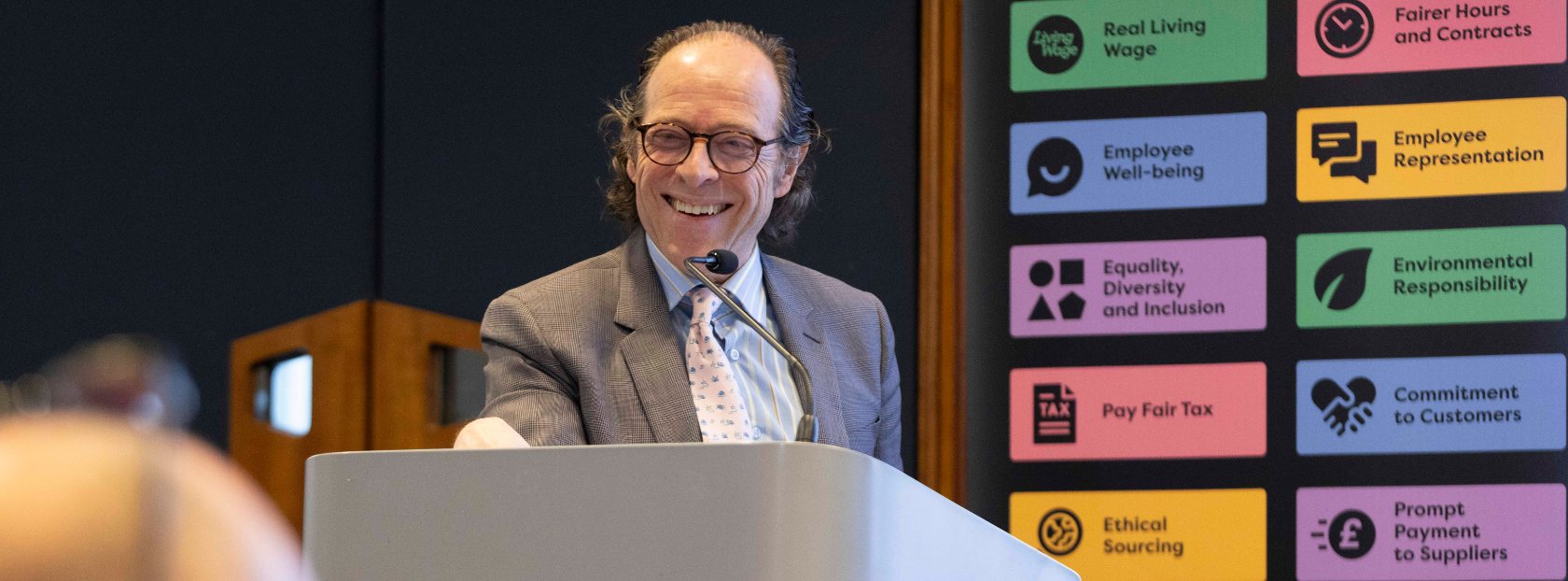
Julian Richer is best known for founding Richer Sounds, the UK’s largest hi-fi retailer, which has won the Which? Retailer of the Year multiple times. This is down to Julian’s absolute commitment to giving excellent customer service, and he knows that the best way to do that is to ensure his colleagues are happy and in a workplace that supports them. Richer Sounds has also proudly given away 15% of its profits each year to charities. Julian has also set up a number of his own not-for-profits, which include influencing tax policy, the public discourse on fairness and helping people in UK poverty.
Richer Sounds has survived in a ferociously competitive market and this has not just been down to commercial acumen but its genuine ethical stance. As Julian says, it is not only the right thing to do – and business bosses will sleep better at night if they know they have treated their stakeholders well – but it delivers bottom line results. Ultimately, a business is nothing without its people and Julian has always had this at the heart of the business:
“It’s all about the people.”
The need for a clear signpost
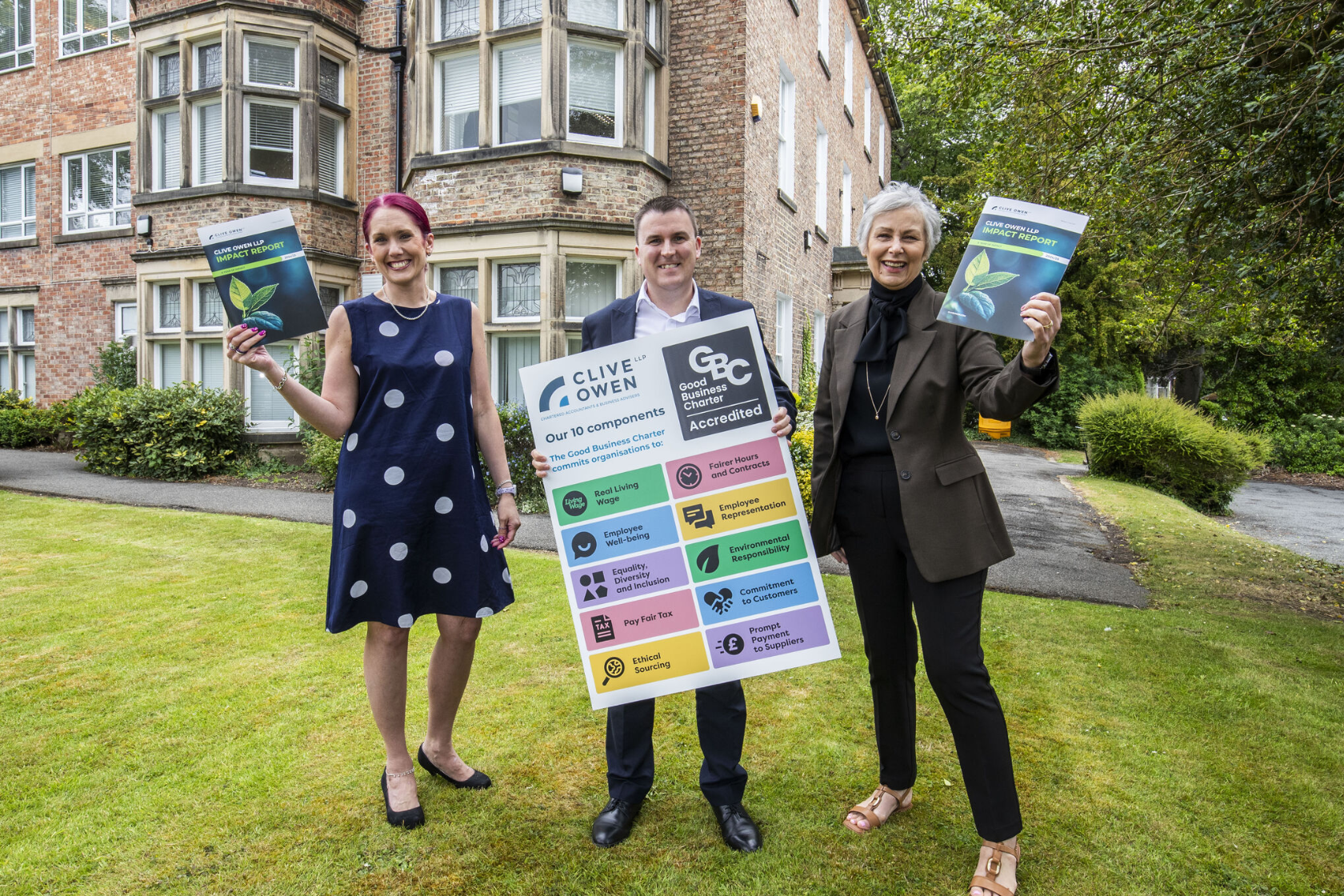
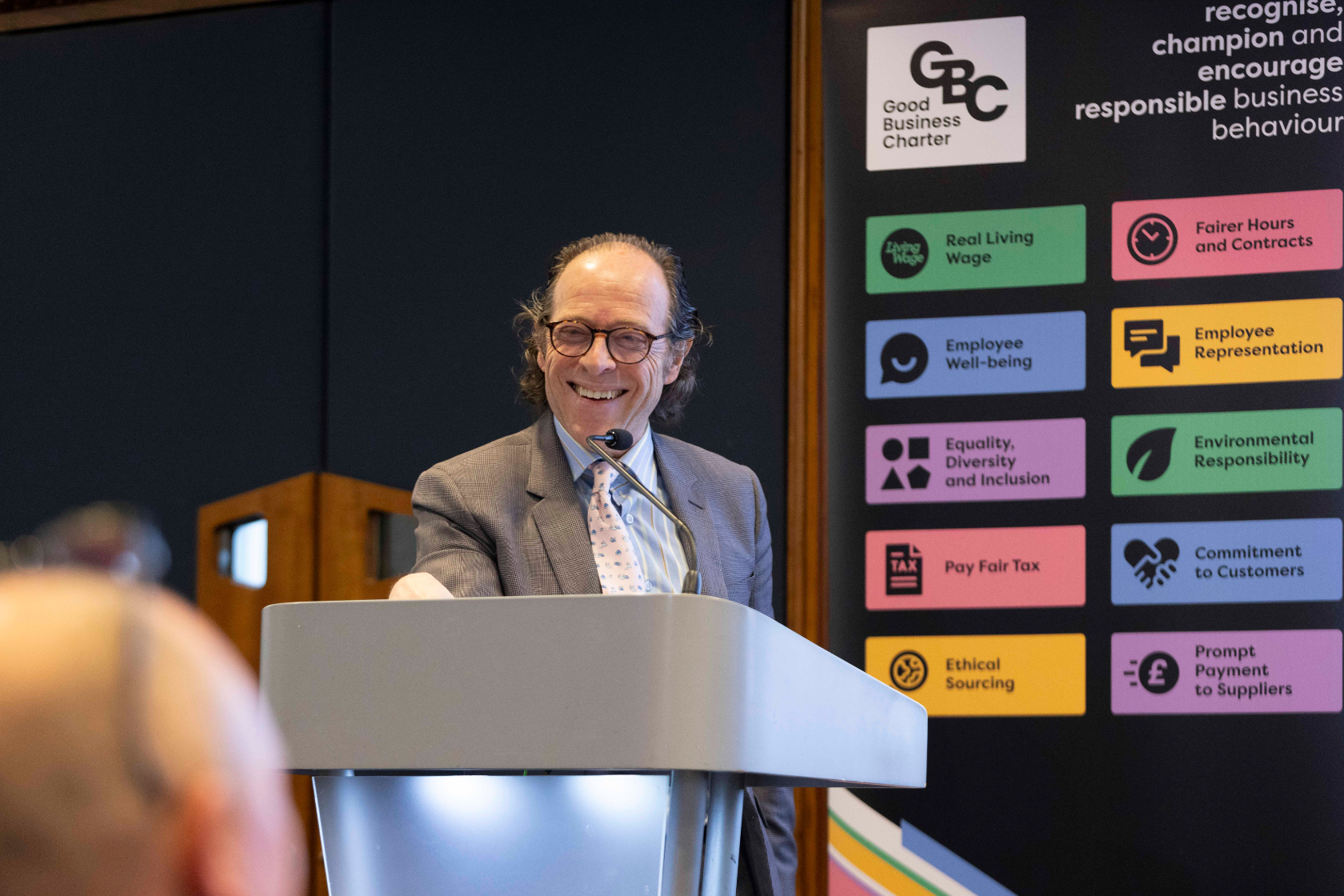
TSB bank found in polling that 97% of people want businesses to act responsibly but no one knows who is doing that. Recognising the need for a clear signpost, Julian brought the CBI and the TUC together to define between them a clear benchmark for responsible business behaviour, with ten components that organisations must commit to. He knew early on that he wanted to call it a Good Business Charter – keep it clear as to what it is – and ensure it was accessible, streamlined and clear. As someone who has supported many charities over the years, Julian wanted to make it available to them also – after all, it is just as important that a charity treats its colleagues and other stakeholders well.
Setting the responsible business benchmark
The Good Business Charter was launched in 2020 and quickly gained traction with organisations from a range of sectors accrediting. When told it was a ‘high bar’, at first Julian disagreed – he has lived and breathed these principles for so long in his own business that he saw most as pure common sense. However, in practice it turns out many businesses cannot or will not pay the real living wage, too many businesses do not have the systems in place to pay their suppliers promptly, and some are not paying their fair share of tax in spite of benefitting from the state’s infrastructure, health and education to name a few.
Raising the bar together
Julian is funding the Good Business Charter because he passionately believes in it as a signpost to identify those organisations who are demonstrating responsible business behaviour. Together with the team he wants to nudge business behaviour upwards – and see accredited organisations inspire others in their networks to raise the bar too and commit to the 10 components of the GBC thus ensuring employees, suppliers, customers and the planet are cared for, taxes are paid and everyone is operating on the same level playing field.
“At its core, responsible business is simple: treat people fairly, act ethically and you’ll build trust, loyalty and long-term success. The GBC is a a clear signpost for organisations committed to doing this.”
Julian Richer, founder of the GBC
Support our work
Good Business Charter accreditation is free. However, if you would like to support our work, donations are very welcome and help us champion responsible business across the UK.
The GBC story

Explore accreditation